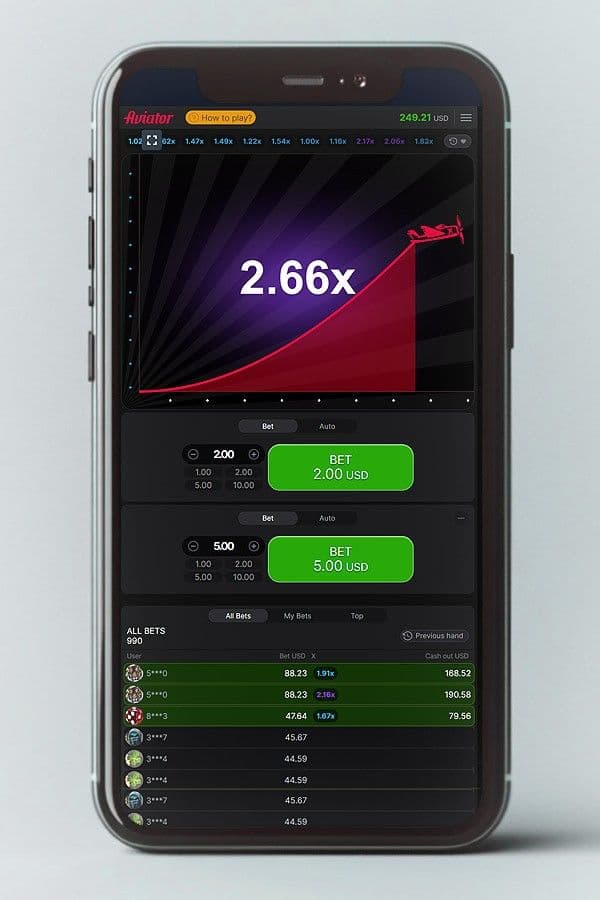
Aviator is a crash-style casino game in which a multiplier climbs while a small plane flies across the screen. The round ends when the plane disappears‚ and any wager not cashed out by then is lost. Players in Uganda may find the format appealing because rounds are quick and the rules are easy to grasp. However‚ timing a cash-out is a matter of risk management‚ not a way to predict the next crash.
This guide explains how to read a round‚ set a practical approach‚ and make more deliberate decisions. Game availability‚ payment methods‚ and legal requirements can vary by operator and location‚ so Ugandan players should check the casino’s current terms before depositing. Play only if you are of legal gambling age‚ and treat every wager as money you can afford to lose.
How Aviator works
Before each round begins‚ a player places one or more bets. Once the plane takes off‚ the displayed multiplier rises. A player who cashes out before the crash receives the stake multiplied by the value shown at that moment. For example‚ a 1‚000 UGX bet cashed out at 1.50x returns 1‚500 UGX in total‚ including the original stake. If the plane crashes before the cash-out is registered‚ the bet is lost.
The key detail is that the multiplier’s path is not a forecast. A low crash in one round does not mean a high multiplier is “due” in the next‚ and a long flight does not make an immediate crash inevitable. Past results may be displayed for interest‚ but they cannot reliably reveal what will happen in a new round.
What “timing” means in practice
Timing is choosing a cash-out point before or during a flight‚ while accepting that the result remains uncertain. Some players choose a modest target and cash out automatically when it is reached. Others wait for a larger multiplier‚ knowing that the plane can crash at any time. Neither approach guarantees profit. A sensible plan is one you can follow consistently without chasing losses or increasing stakes impulsively.
A practical decision framework
- Set a session budget. Decide how much you are willing to spend before opening the game. Keep gambling funds separate from rent‚ food‚ transport‚ savings‚ and other essential expenses.
- Choose a stake size. Use an amount small enough that losing it will not affect your daily needs. Avoid raising the stake simply because a previous round ended early.
- Select a cash-out rule. You might choose a fixed‚ relatively modest multiplier or decide to cash out manually when a target feels appropriate. The chosen target changes the risk-and-reward profile‚ not the underlying uncertainty.
- Set a stop point. Decide when you will end the session‚ whether you reach a win target or a loss limit. Stop when either limit is reached.
- Review the plan‚ not the streak. After a round‚ check whether you followed your rules. Do not treat a streak of crashes or successful cash-outs as evidence that the next result is predictable.
Using automatic cash-out
If the casino provides an automatic cash-out option‚ it can help apply a preset target without relying on a last-second tap. Check the feature before betting: confirm the selected multiplier‚ whether it applies to one or both bets‚ and whether the setting carries over to the next round. Technical delays and connection problems are possible‚ so automation should not be regarded as a guarantee that a cash-out will succeed in every circumstance.
Two-bet decisions and session control
Some versions of Aviator let players place two bets in one round. A player might set one bet to cash out earlier and leave the other for a higher target. This can make the session feel more flexible‚ but it does not remove the risk: either or both wagers can be lost if the plane crashes before their cash-outs.
Use two bets only if the interface clearly explains how they work and the combined stake fits your budget. Do not split a large wager into two parts under the impression that the split makes it safe. It is still the total amount at risk that matters.
Example of a pre-set plan
Suppose a player has set aside 10‚000 UGX for entertainment and decides to risk no more than 500 UGX per round. Before starting‚ the player chooses a maximum session length and a fixed stop-loss. They may also select an automatic cash-out target that suits their comfort with risk. These settings do not make a win likely or certain; they simply make it easier to avoid changing decisions in the heat of the moment.
The example is for illustration only. A player should choose limits based on personal circumstances‚ not copy someone else’s stake or target. If a loss limit is reached‚ the planned action is to stop—not to deposit more in an attempt to recover the money.
Basic odds and bankroll thinking
A crash game’s individual outcomes are uncertain‚ and the operator’s game information should explain the rules and any applicable return-to-player or house-edge details. A return-to-player figure‚ when supplied‚ is a theoretical long-run statistic. It does not predict the outcome of a particular session or guarantee that an individual player will receive that percentage back.
There is no reliable calculator that can tell a player the next crash point from previous rounds. A simple budgeting calculation can still be useful: divide the session budget by the planned stake to estimate how many equal-sized bets it could cover if every bet were lost. For example‚ a 10‚000 UGX budget divided into 500 UGX stakes represents 20 stakes at most‚ before considering any wins or other changes. This is a planning aid‚ not a prediction of how long a session will last.
Common mistakes to avoid
- Chasing losses: increasing bets after a loss can rapidly exhaust a budget.
- Believing in “due” multipliers: previous results do not guarantee that a high or low crash will follow.
- Waiting for an arbitrary streak: a run of early crashes does not make a long flight certain.
- Ignoring the total stake: multiple bets still add up to one amount at risk.
- Playing while distracted or upset: rushed decisions can undermine limits and planned cash-outs.
- Assuming a displayed result means profit: check the settlement and account history to confirm the bet was processed correctly.
Choosing a casino as a Ugandan player
Aviator may be offered by different online casinos‚ but availability alone is not enough reason to trust an operator. Before signing up‚ inspect the casino’s licensing and ownership information‚ game-provider details‚ withdrawal rules‚ verification requirements‚ and customer-support channels. Look for clear terms rather than relying only on advertising or social-media claims.
Check whether deposits and withdrawals are supported for your preferred payment method in Uganda‚ what fees or limits apply‚ and how long processing may take. Never share a password‚ one-time verification code‚ or mobile-money PIN with someone claiming to help you place a bet. Use a unique password and access the casino through its verified website or app rather than links from unsolicited messages.
Bonuses and promotional terms
A promotion can come with wagering requirements‚ game restrictions‚ maximum cash-out limits‚ expiry dates‚ or deposit conditions. Read the full terms before accepting an offer. A bonus is not free cash if it requires spending more than you planned‚ and it should never be used as a reason to exceed your session budget.
Responsible play and final perspective
Aviator is a game of chance‚ not a reliable income source. The most useful timing decision is often the one made before the round begins: determine the stake‚ decide on a cash-out approach‚ and define when to stop. Accept that a chosen target may not be reached and that even a cautious plan can end in a loss.
If gambling stops being entertaining‚ leads to borrowing‚ or creates conflict with work or family responsibilities‚ take a break and seek support from someone you trust or an appropriate local service. Do not gamble to solve financial problems. For eligible adults who choose to play‚ a clear budget‚ a fixed stopping point‚ and realistic expectations are more dependable safeguards than any supposed crash prediction.